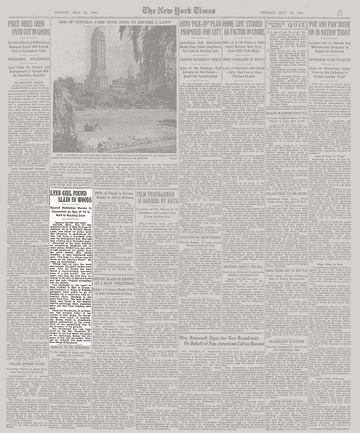
On July 17, 1941, in Lynn, Massachusetts, nineteen-year-old Frances Cochran stepped off a commuter bus and vanished into one of the most baffling unsolved murders in New England history. At least five witnesses watched as she entered a mysterious black automobile — apparently without struggle, apparently without alarm — and was never seen alive again. More than eight decades later, the identity of the driver remains unknown.
Cochran had been living and working in the Lynn area that summer. The details of her final afternoon are ordinary in the way that makes them haunting in retrospect — a bus, a sidewalk, an encounter that witnesses at the time had no particular reason to remember as significant. What struck investigators later was the apparent ease of it: Cochran did not appear to resist or flee. The witnesses who watched her climb into the black automobile reported nothing that suggested coercion. Either she recognized the driver, or she had no reason not to trust them.
Three days passed. On July 20, 1941, police made a grim discovery in Salem, Massachusetts: the mutilated body of Frances Cochran, found in a secluded area known as a lovers' lane — a spot frequented by couples seeking privacy and, as a consequence, largely shielded from casual observation. The condition of her remains told investigators they were dealing with someone capable of extreme violence. The search for a missing young woman had become a homicide investigation.