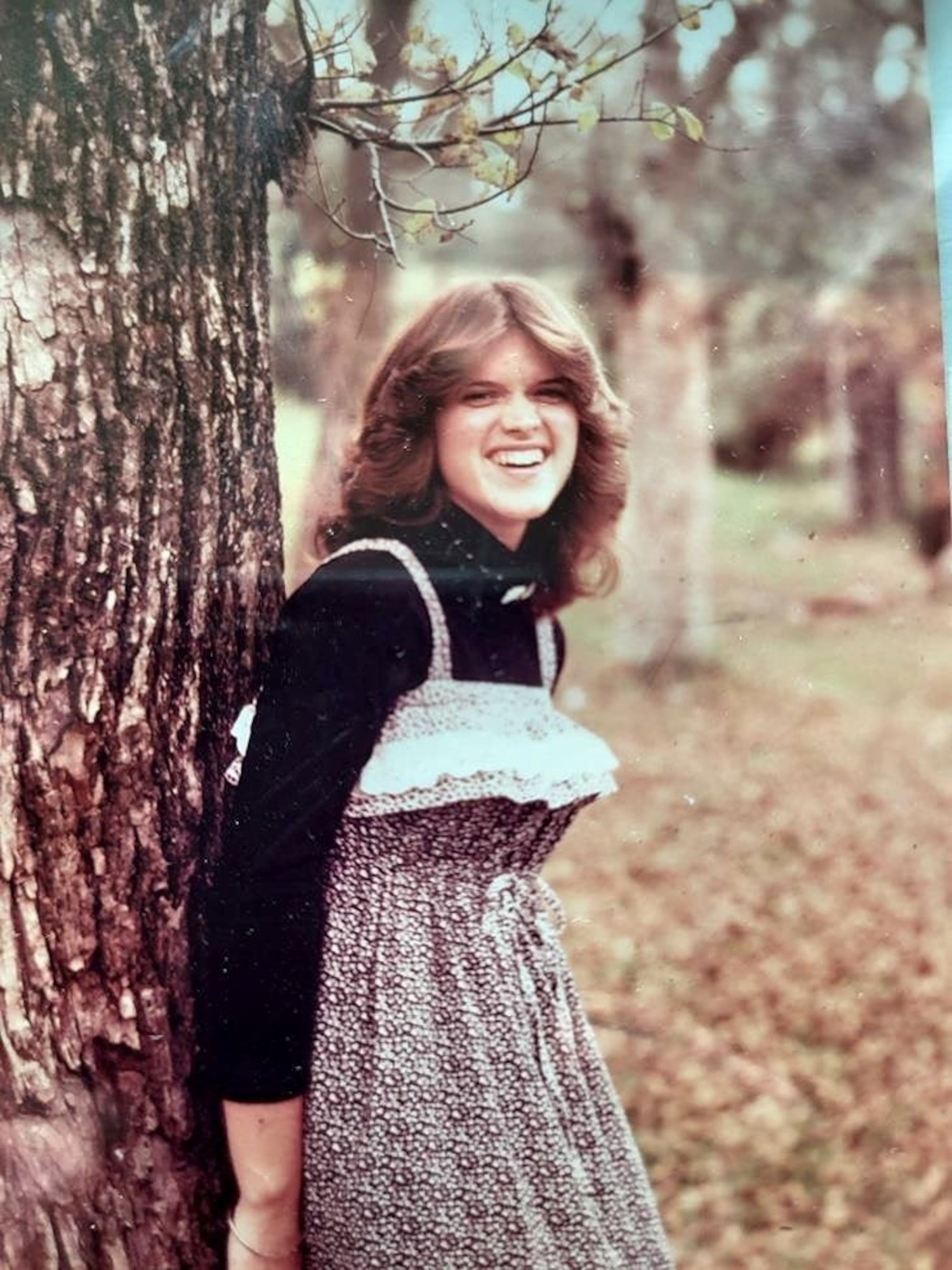
On July 12, 1980, a 21-year-old woman named Susan Vesey was found murdered inside her apartment on Casino Road in Everett, Washington — the morning after her twenty-first birthday. It was her husband, Ken Vesey, who discovered her body. The killing sent a shock through the local community, and in the days that followed detectives were left with a homicide scene and few clear leads. It would take forty-six years to name the person responsible.
Investigators in 1980 worked the case with the tools they had: interviews, a careful examination of the crime scene, and the physical evidence they could collect and preserve. No suspect emerged, and no clear motive was ever established. The case quickly went cold and passed into the Everett Police Department's cold case files, where it was reviewed periodically over the decades in the hope that forensic science would eventually catch up to the evidence sitting in storage. For the Vesey family, that hope stretched across nearly half a century of not knowing who had killed Susan, or why.
That hope was finally realized earlier this year. On March 13, 2026, the Everett Police Department announced that modern DNA analysis had at last identified a suspect in Susan Vesey's murder: Mitchell Gaff, a man in his sixties. The genetic material recovered from the 1980 crime scene — evidence that could not be meaningfully analyzed at the time, because DNA profiling would not become a standard investigative tool until the late 1980s and early 1990s — was re-examined with contemporary techniques and matched to Gaff, who had managed to evade detection for close to five decades.